A smart lock is the rare IoT device where the physical and digital threat models collide on your front door. Get it wrong and you’ve added a network attack surface to your home’s most important entry point. Get it right and you gain real convenience — keyless entry, remote control, time-limited guest codes, and an audit log — without weakening physical security. Yale, a lockmaker for over 180 years, is one of the brands that treats both halves seriously.
The Star: Yale Assure Lock 2
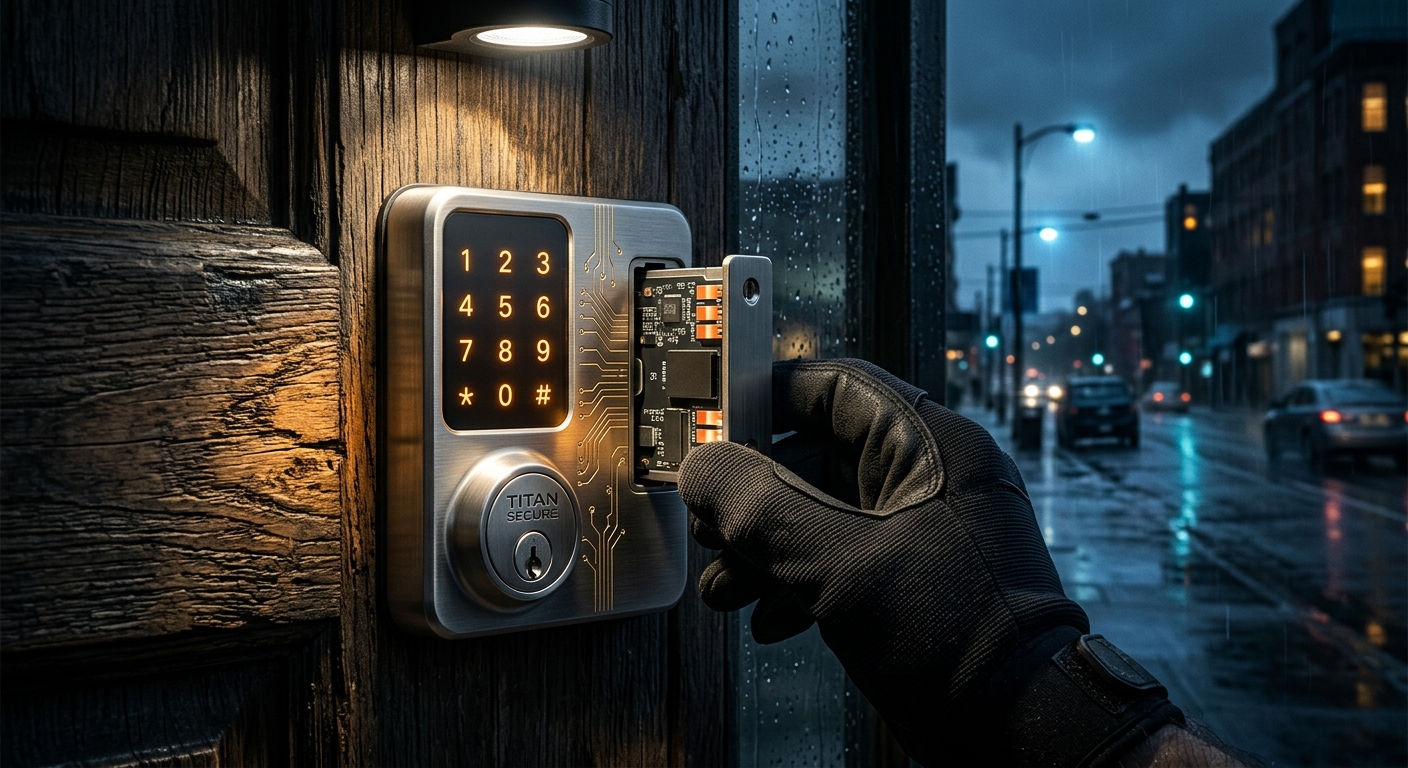
The Assure Lock 2 is Yale’s flagship line, and its smartest design decision is modularity. You buy the lock, then choose a swappable smart module for how you want it to connect:
- Wi-Fi — direct connection, no hub needed
- Matter over Thread — the new cross-ecosystem standard, future-proof
- Z-Wave — for SmartThings/Ring/Hubitat setups
- Apple Home Key — tap to unlock with iPhone or Apple Watch
- Key-free or keyed options, with touchscreen or push-button keypad variants
If your smart-home platform changes, you swap a $30–$50 module instead of replacing the whole lock — a genuinely good ownership story.
Features That Matter
- Guest & time-limited codes — issue a code to a dog-walker or contractor that only works on specific days/hours, then revoke it
- Auto-lock and auto-unlock — never leave the door unlocked again
- Activity log — see who entered and when (paired with a hub/app)
- Voice + app control — Apple Home, Google Home, Alexa, SmartThings
- DoorSense — tells you whether the door is actually closed, not just locked
Securing It Properly (Read This Part)
A smart lock is only as safe as its setup. The good practices:
- Use a strong, unique account password and enable 2FA on the Yale/host app — the app is now part of your physical security.
- Keep firmware updated — module/lock updates patch real issues.
- Audit your codes periodically and delete stale guest codes.
- Keep a physical backup (a keyed model or a backup entry method) for dead batteries — and yes, watch the battery alerts.
- Prefer Matter/Apple Home Key deployments for their stronger, standardized auth model.
The Trade-offs
- Some connectivity options (Z-Wave) need a hub; budget for the module that fits your ecosystem.
- Battery-powered, so battery maintenance is a fact of life (Yale’s alerts are good, but plan for it).
- Premium pricing versus dumb deadbolts — you’re paying for the connectivity and the brand’s lock pedigree.
Verdict
Among smart locks, Yale stands out for pairing real lock-making heritage with a modular, standards-forward approach — the swappable module means a Yale Assure Lock 2 won’t be orphaned the next time the smart-home landscape shifts. Treat the companion app with the same security discipline as any other account (unique password, 2FA, updates) and you get genuine convenience without trading away the thing a lock is supposed to do.
For most homes, the Assure Lock 2 with the Matter or Apple Home Key module is the configuration to buy.
Affiliate disclosure: This article contains affiliate links. If you purchase through our links we may earn a commission at no extra cost to you.